Health and Medicine: The Fiber Breakthrough That’s Turning Junk Food Science Upside Down
Modern nutrition is undergoing a quiet revolution, and at the center of it sits a nutrient most people overlook: fiber. As researchers dig deeper into how the body handles saturated fat, refined sugars, and calorie-heavy foods, they’re uncovering a surprising truth—fiber doesn’t just aid digestion. It actively disrupts the way junk food behaves inside the body, offering a protective edge against the metabolic chaos triggered by today’s fast-paced eating habits.
Why Heavy, Fat-Rich Meals Hit the Body So Hard
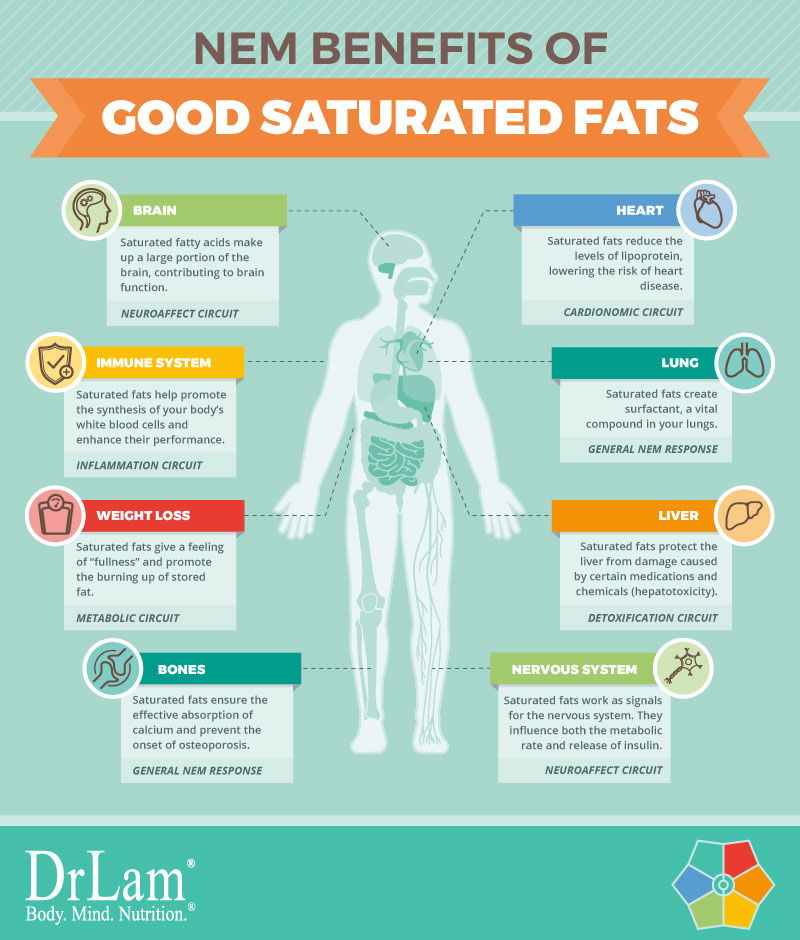
Ultra-processed meals deliver a quick surge of saturated fat and calories that the digestive system absorbs rapidly. This rush can drive up cholesterol, trigger insulin responses, and encourage fat storage. It’s a metabolic storm that leaves the body scrambling to keep up.Fiber, however, shifts the entire experience.Soluble fiber absorbs water and forms a slow-moving gel that envelopes fats and sugars. This thickened mixture forces digestion to proceed gradually, giving the body time to manage nutrients with far less strain.
What Research Is Revealing About Fiber’s Underestimated Power
Scientific findings now show that fiber can significantly lower fat uptake, moderate calorie absorption, and encourage healthier cholesterol patterns. By slowing nutrient entry into the bloodstream, fiber creates a smoother, more controlled digestive rhythm that helps the body stay balanced—even after indulgent meals.Researchers have documented improvements in:
- Post-meal cholesterol responses
- Appetite regulation through gut fermentation
- Calorie moderation due to slowed absorption
- Metabolic stability following high-fat foods
- Weight control thanks to reduced energy extraction
These discoveries underscore why many experts are continually exploring breakthroughs in health and medicine to uncover solutions that work with the body instead of against it.
A Practical, Real-World Strategy for Better Eating
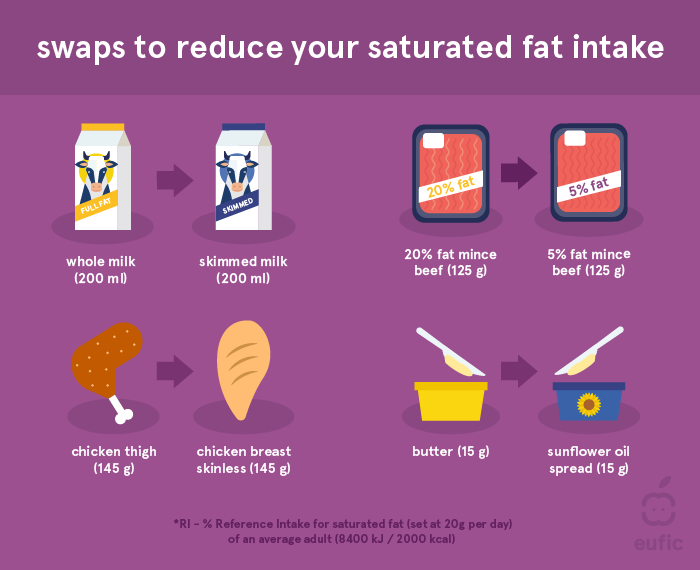
Nobody follows a flawless diet every day, but adding fiber-dense foods—beans, chia, oats, raspberries, leafy greens—can help neutralize some of the strain caused by saturated fats and calorie-loaded meals. Fiber acts like a buffer, easing the digestive burden and helping the system process junk food with less intensity.This approach doesn’t encourage overindulging. Instead, it empowers people to protect their bodies without relying on rigid, unsustainable restrictions.
How Fiber Supports Cholesterol and Weight Balance
Fiber interacts with fat and bile acids, slowing their journey and reducing the amount absorbed. This shift creates a calmer metabolic environment where cholesterol is less reactive and weight control becomes more manageable.It’s a refreshing alternative to the old idea that health depends solely on cutting foods out.
The Bottom Line: Fiber May Be the Most Versatile Nutrient We Have
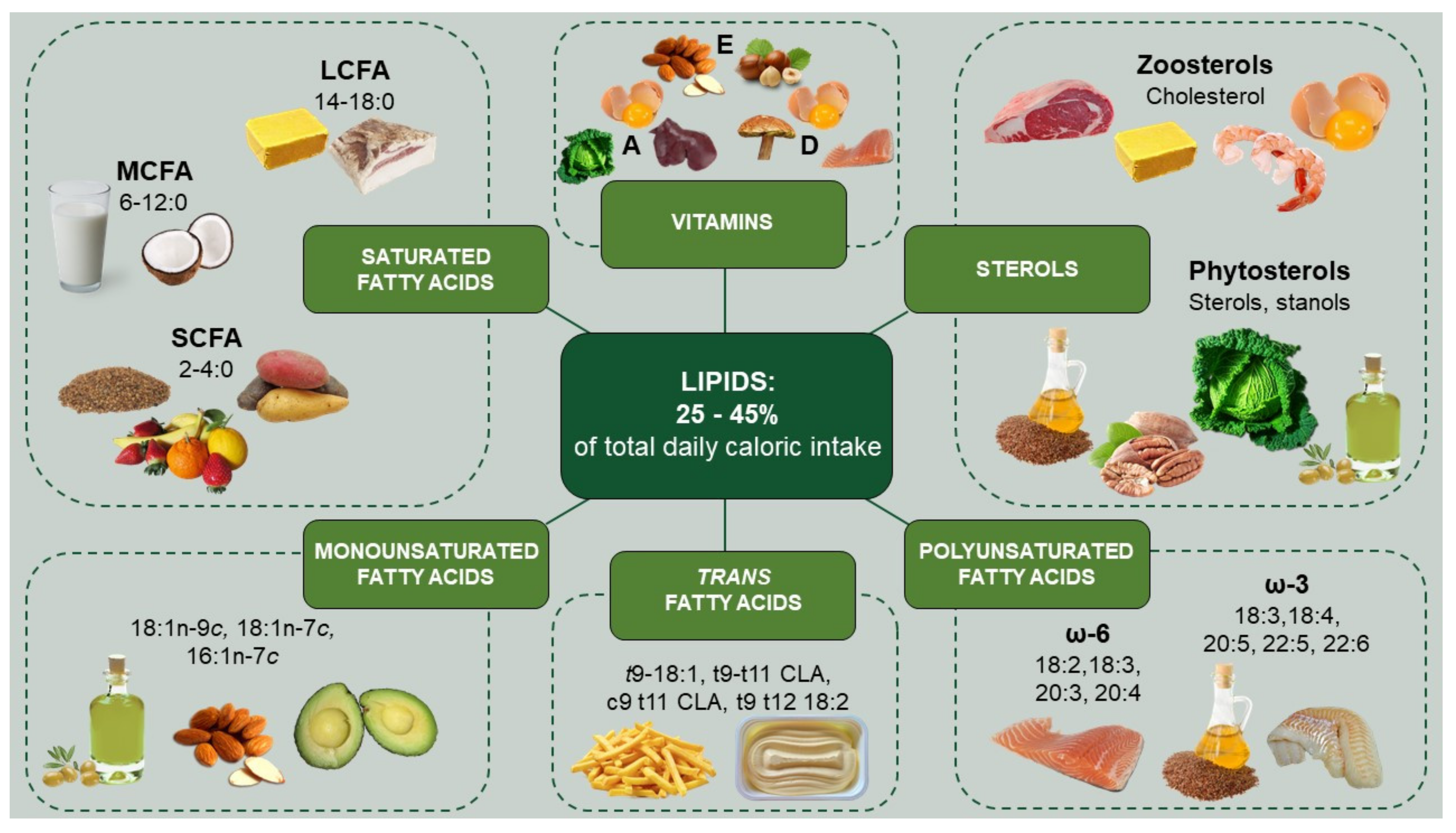
Emerging research makes one thing clear: fiber offers far more than digestive comfort. It helps counteract the effects of saturated fat, tones down calorie impact, and supports healthier cholesterol—all through natural, food-based mechanisms.In a world filled with fast meals, chaotic schedules, and nutritional landmines, fiber stands out as a simple, powerful ally that strengthens the body’s resilience from the inside out.
